

Women lead the way
Women do much of the work on eastern Africa's farms, yet receive a fraction of the support. In 2026, the International Year of the Woman Farmer, it's time to change that.

Thousands of people are standing with female farmers in eastern Africa.
Why?
Not just because it’s fair, but because it works.
New Farm Africa research reveals that women are leading the uptake of climate-smart farming practices that improve soil health and water retention. Female farmers adopt new practices earlier, stick with them longer and achieve higher yields.

Higher yields mean higher incomes: money that women invest in feeding, clothing and educating their children, as well as in their farming businesses.
When women thrive, everyone thrives.

But too many women are denied access to the loans, seeds, skills and voice they need to farm.
It’s time to invest in female farmers so they can grow a better future.
For themselves. For their families. For whole communities.

Share on social media
Download the social media toolkit for a range of post ideas for you to share your support for the campaign.
Download PDF (396.81kb)
Felista
She helps them adopt sustainable farming practices, increase their incomes and create employment. Felista is showing what’s possible when women have the opportunity to lead, grow their businesses and support others in their communities.
Teluvina
With the money she has earned, Teluvina has bought more land, invested in a power tiller and, after ten years of waiting, finally completed her family home.
Judith
But Judith’s leadership reaches far beyond her own farm in Uganda: as a community women’s leader, she shares her knowledge with other women and young people, helping them build stronger, more sustainable livelihoods. Together, they’re proving that farming can support families, empower women and protect the land we all depend on.
Fabiola
Meet Fabiola, who is leading the way for women. In Kakuma refugee camp, Kenya, Fabiola is turning determination into opportunity. As the founder of Amazing Food Company, she has built a thriving porridge flour business that is helping tackle malnutrition while creating jobs and opportunities for fellow refugees.

By building her own business and opening doors for others, Fabiola is showing what women can achieve when they have the right support, skills and access to finance. Her leadership is helping create a future where women can build successful businesses, support their families and strengthen their communities.
You have the power to make a difference
Help make real change to the lives of female farmers by donating today.

Did you know?
£18
could empower a woman farmer to buy a goat, giving her family nutritious milk.
£62
could help a woman farmer to establish a kitchen garden and feed her family nutritious food all year.
£130
could provide equipment for a woman farmer to start beekeeping, giving her an extra source of income.
Women are earlier adopters
When taking part in Farm Africa projects, women farmers adopt new climate-smart farming practices earlier and at a higher rate than men.
Women stay the course
Across Ethiopia, Kenya and Tanzania, women-led households working with Farm Africa are more likely to continue using climate-smart farming practices longer than households led by men.
Women achieve higher yields
Female farmers achieve higher yields. New evidence from our regenerative farming project in Kenya reveals female-headed households produced 700kg of crops vs 430kg for male-headed households.
Women can lead the transition
When you put women at the centre, adoption of climate-smart agriculture practices accelerates and results improve.
Country
Ethiopia
Key focus areas
Empower women
Women lead the way
It’s time to invest in female farmers. Not just because it’s fair, but because it works. Farm Africa research reveals that given the opportunity, female farmers adopt climate-smart farming practices earlier, stick with them longer and achieve higher yields than men. But too many women are denied access to the loans, seeds, skills and voice they need to farm. Women farmers have been overlooked for too long. It’s time for change.
Download (1.39mb)

Country
Ethiopia
Key focus areas
Empower women
Sign up for updates
Subscribe to our newsletter to stay up to date with our latest news and projects.
Meet the women who are leading the way
Elizabeth

Elizabeth
Elizabeth
Elizabeth is leading the way by helping farmers in Tanzania build more resilient livelihoods. As a Sorghum Value Chain Officer with the NOURISH project, one of Elizabeth’s proudest achievements is helping a group of women with disabilities in Chemba District establish a sustainable source of income through poultry farming, enabling them to earn money even during the challenging off-season.
Elizabeth is leading the way by empowering women to build stronger livelihoods and shape their own futures.
Betty

Betty
Betty
Betty is a smallholder farmer and mother of four in Uganda’s Karamoja region who is leading the way by building a more secure future for her family through farming and community savings. As a member of a Village Savings and Loan Association supported by Farm Africa and CARE International’s CASCADE project, Betty has gained access to savings and loans that have helped her invest in her farm, diversify her income and build her family’s assets. Using money from the group, Betty bought a goat, which multiplied into a growing herd.
Betty is leading the way by turning small savings into lasting change, strengthening her family’s resilience and investing in a brighter future for the next generation.
Shewit

Shewit
Shewit
Shewit is Farm Africa’s Country Director in Ethiopia, leading the organisation’s work to improve rural livelihoods while protecting the natural environment. With more than 15 years of experience across international development, government and the private sector. Shewit helps to ensure that rural communities can improve their incomes and livelihoods while conserving the ecosystems they depend on. Under her leadership, Farm Africa’s Ethiopia team works alongside communities and partners to promote climate-smart farming, sustainable natural resource management and new economic opportunities.
Shewit is leading the way by championing inclusive, sustainable development and showing how empowering communities and protecting nature can go hand in hand.
Judith

Judith
Judith
Judith is a smallholder farmer in Tanzania’s Dodoma region who is leading the way by sharing her knowledge and helping other farmers build more resilient livelihoods. With a stronger income from farming, through the NOURISH project Judith is helping provide her grandchildren with better educational opportunities and improving her family’s nutrition through her kitchen garden. She also trains other farmers, sharing what she has learnt to help others succeed.
Judith is leading the way by turning her farming knowledge into opportunity, empowering fellow farmers and building a brighter future for the next generation.
Mary and Damaris
Mary and Damaris
Mary and Damaris
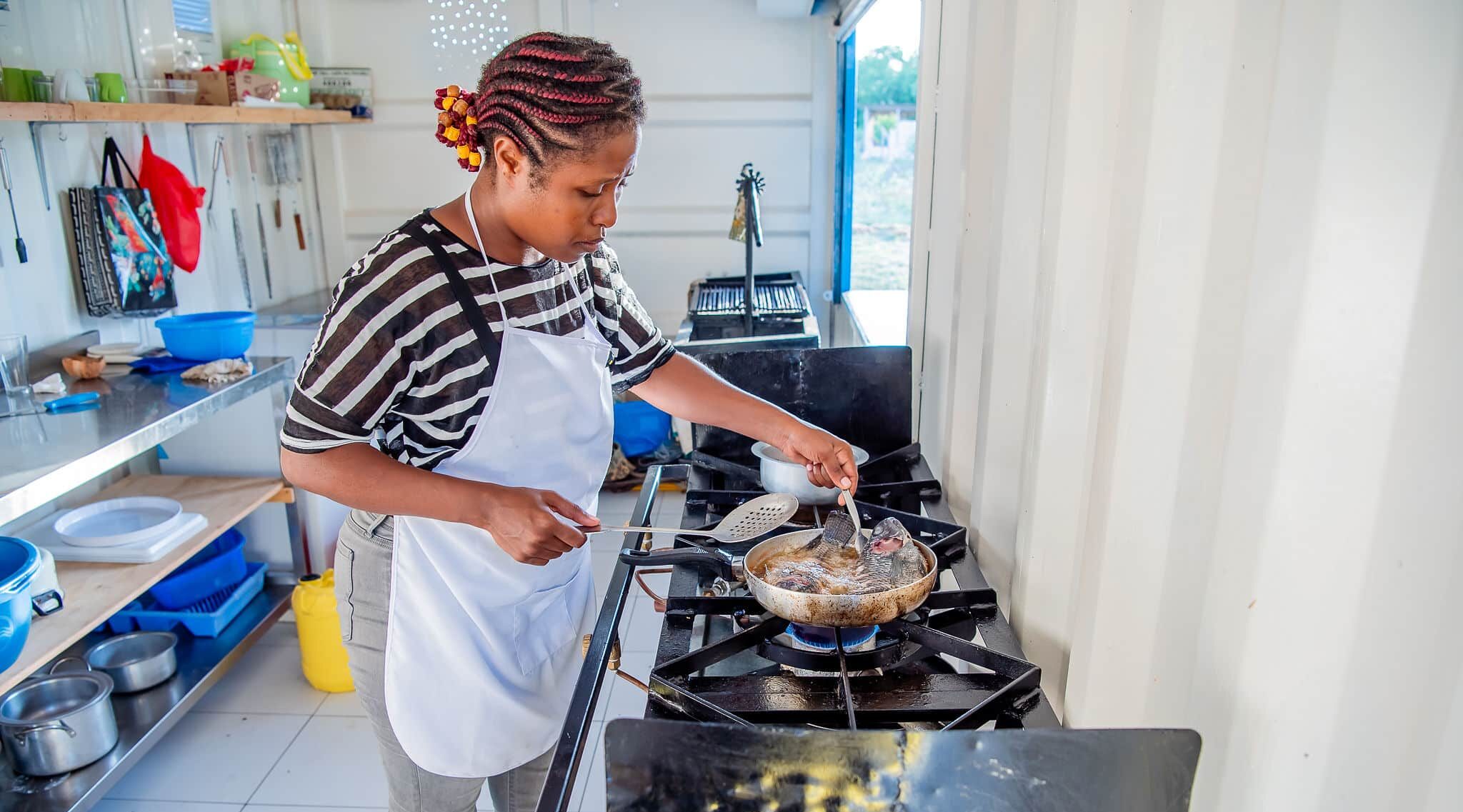
Mary and Damaris are two young Kenyan entrepreneurs leading the way in sustainable aquaculture. Through Farm Africa and the Mastercard Foundation’s Youth in Sustainable Aquaculture (YISA) programme Mary and Damaris have grown their business, The Daily Catch Farm in Kilifi County, by introducing a solar-powered Smart Kiosk where they sell freshly prepared fish and seafood. Their monthly revenue increased from around 420% following the kiosk’s introduction.
Mary and Damaris are leading the way by turning a market gap into a thriving business, creating opportunities for others and showing how young women can drive innovation in sustainable aquaculture.
Mary
Mary
Mary
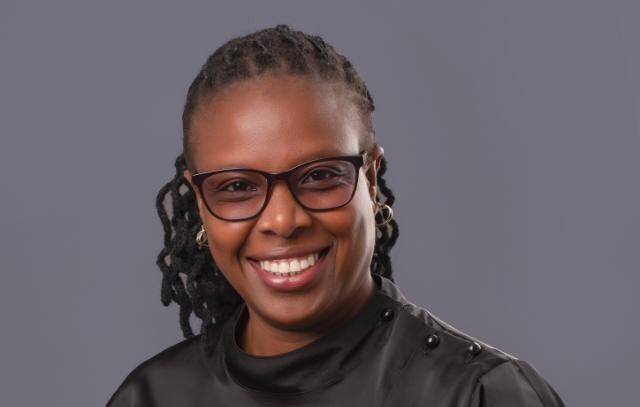
Mary is Farm Africa’s Country Director in Kenya, leading the organisation’s work to help rural communities build more sustainable futures. Mary creates opportunities for smallholder farmers, women and young people to strengthen their incomes through sustainable agriculture, access better markets and build resilience to climate change. She is also a passionate advocate for women’s role in agriculture, highlighting the importance of ensuring women have the knowledge, resources and opportunities to participate fully in agricultural value chains.
Mary is leading the way by championing inclusive and climate-resilient agriculture, creating opportunities for rural communities and helping women play a greater role in shaping the future of food systems.
Damaris

Damaris
Damaris
Damaris is a sorghum farmer and community leader in Tanzania’s Dodoma region who is leading the way by helping farmers turn climate challenges into opportunities. Through Farm Africa’s climate-smart agriculture project, Damaris has become a trusted leader in her village, negotiating sales on behalf of other farmers and helping them access better market prices.
Damaris is leading the way by championing climate-smart farming, connecting farmers to markets and helping her community build a more prosperous future.
Suzana

Suzana
Suzana
Suzana is a smallholder farmer in Tanzania’s Dodoma region who is leading the way by showing how climate-smart farming can improve both livelihoods and family nutrition. Through the NOURISH programme, Suzana has established a drought-resilient kitchen garden, providing her family with nutritious vegetables throughout the year. By preserving surplus produce using a solar dryer, she reduces waste and creates additional income by selling dried vegetables.
Suzana is leading the way by turning climate challenges into opportunities, growing healthier food and building a more resilient future for her family.
Melina

Melina
Melina
Melina is a farmer and entrepreneur in Tanzania’s Dodoma region who is leading the way by turning her farming success into a thriving restaurant business. Through the NOURISH project, Melina has expanded her farm from 12 to 25 acres, improved her agricultural practices and increased her harvests. The income from her restaurant has enabled her to send her children to secondary school and build her own home.
Melina is leading the way by building a successful business from her farm, investing in her family’s future and showing how women’s entrepreneurship can help communities thrive.
When women have the resources and opportunities they need, they can grow more food, earn more reliable incomes and build stronger futures for their families and communities.

